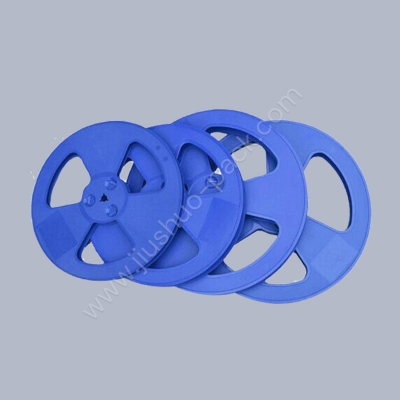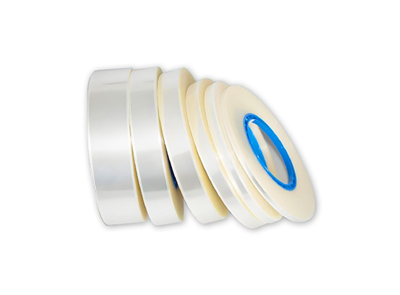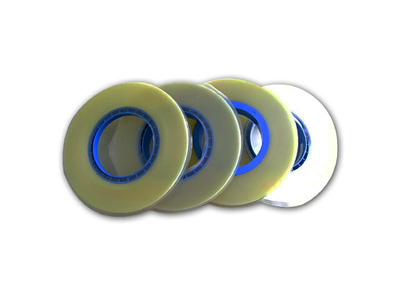

Carrier tape is a tape-like material used in the electronics manufacturing industry for packaging and transporting electronic components (such as resistors, capacitors, IC chips, etc.). Its storage must be managed in accordance with established protocols, taking into account the material composition, intended application, and the specific characteristics of the components being packaged.
Temperature and Humidity Control
Although carrier tapes are neither magnetic nor optical storage media, to ensure the stability of their physical structure and their anti-static properties, the following storage environment is recommended:
Temperature: 15°C – 30°C
Relative Humidity: 30% – 60% RH
(Avoid excessive humidity, which can cause paper carrier tapes to absorb moisture and plastic carrier tapes to deform; conversely, excessively low humidity may increase the risk of electrostatic discharge.)
Dust and Contamination Control
The storage area must be kept clean to prevent the accumulation of dust, oil, and other contaminants, which could compromise subsequent packaging precision or contaminate the components.
Avoid Direct Exposure to Strong Light
This is particularly critical for plastic carrier tapes (such as polycarbonate), as prolonged exposure to ultraviolet (UV) light can accelerate material aging.
Physical Storage Methods
Storage in Reel Form: Carrier tapes are typically shipped in the form of reels; they should be stored horizontally, avoiding excessive stacking heights to prevent deformation or damage to the pocket structures.
Avoid Heavy Pressure: Prevent the carrier tape from being crushed by heavy objects, which could lead to pocket deformation or damage to the sprocket holes.
Store in Original Packaging: It is recommended that unused carrier tape be kept in its original sealed packaging to minimize environmental impact.