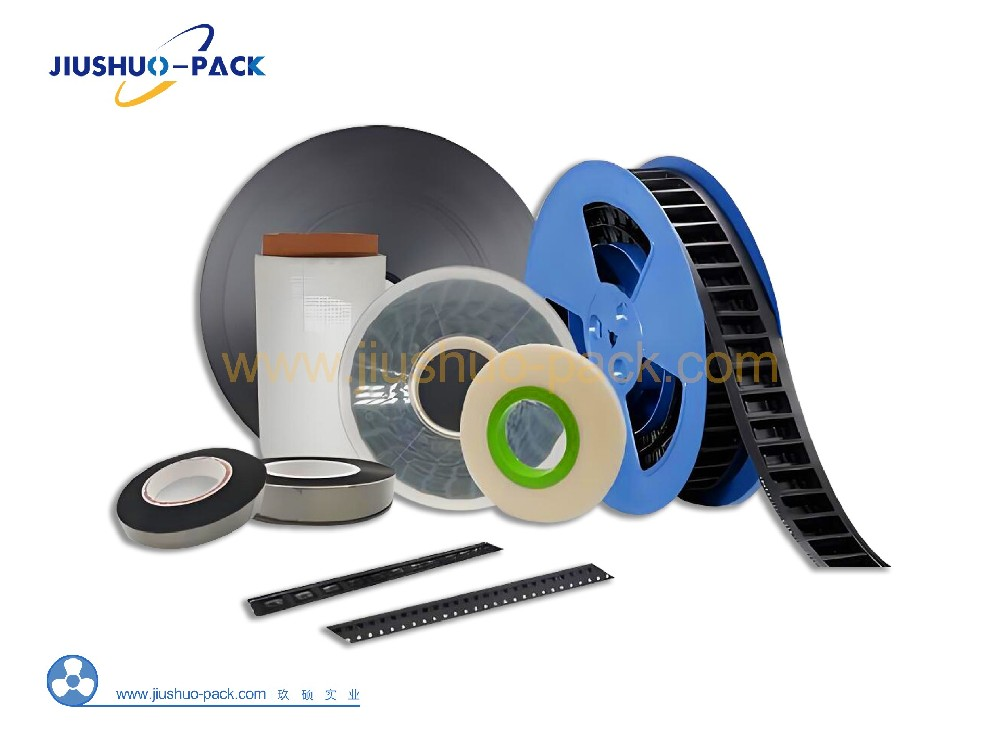

Component carrier tape is a specialized packaging material used in automated Surface Mount Technology (SMT) production processes to carry and protect small electronic components. It plays a pivotal role in the modern electronics manufacturing sector, serving as a fundamental supporting product that enables high-speed and high-precision component placement operations.
Carrier tapes are typically manufactured from flexible plastic or paper materials. Using precision molds, they are formed into a continuous strip structure featuring regularly spaced cavities; each cavity is designed to house a single electronic component-such as a resistor, capacitor, diode, transistor, or integrated circuit. The dimensions and geometry of these cavities are precisely engineered to match the specific shape and size of the encapsulated components, thereby ensuring that the components remain securely in place-without shifting or sustaining damage-during transit and storage.
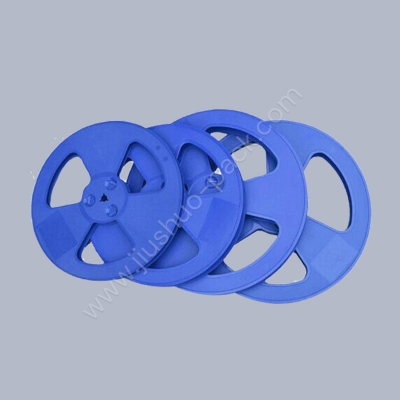
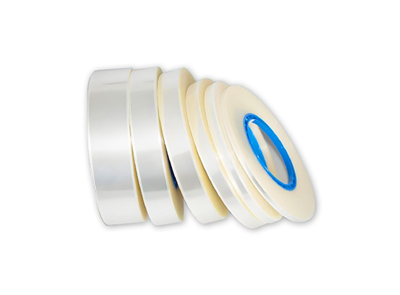
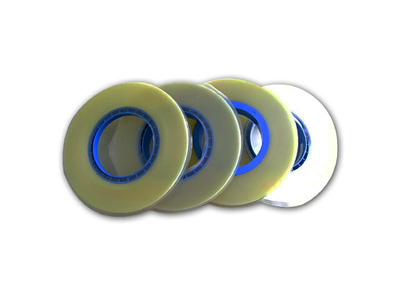
Carrier tapes are generally utilized in conjunction with a cover tape (or sealing tape). This cover tape is applied over the carrier tape-typically via heat sealing or adhesive bonding-to encapsulate the components within their respective cavities, thereby providing protection against dust, moisture, static electricity, and mechanical impact. During operation, the pick-and-place machine identifies positioning holes or optical markers on the carrier tape to precisely control the feeding pitch, allowing it to extract components individually and mount them onto a printed circuit board (PCB). Based on material properties, carrier tapes can be categorized into plastic, paper, or composite types; structurally, they are classified as either reel-based or linear tapes, with the reel-based format being the most prevalent due to its suitability for continuous feeding in automated equipment. Furthermore, carrier tape designs must adhere to international standards-such as those established by the EIA (Electronic Industries Alliance)-to ensure compatibility with mainstream pick-and-place equipment utilized globally. As electronic products continue to evolve toward greater miniaturization and integration, the physical dimensions of electronic components are shrinking; this trend imposes increasingly stringent demands on the manufacturing precision, material stability, and anti-static properties of carrier tapes. Currently, advanced manufacturing processes-such as high-precision injection molding, laser punching, and in-line inspection-are widely employed in carrier tape production to meet the packaging requirements for components as small as 0201, 01005, and even smaller dimensions.
Concurrently, research and development efforts regarding eco-friendly, biodegradable materials are steadily advancing, with the aim of mitigating the environmental impact associated with the electronics manufacturing process. Overall, although carrier tapes for electronic components are auxiliary consumables, their quality directly impacts SMT placement yield, production efficiency, and product reliability; they constitute an indispensable and critical link within the electronics supply chain.