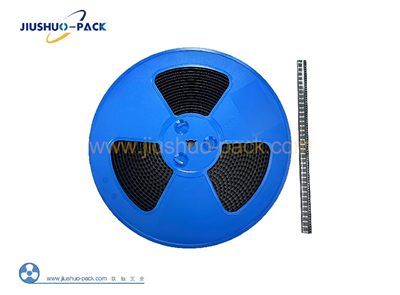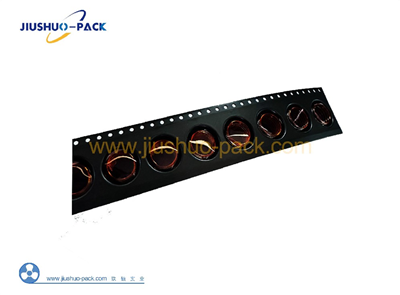


Product Overview
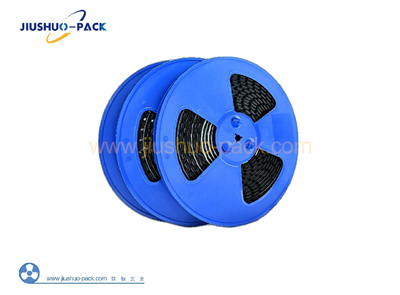
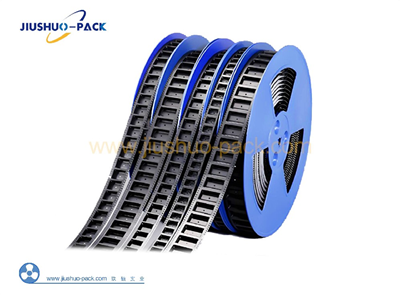
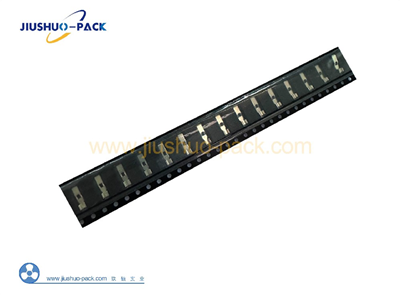
SMT cover tape is used to seal carrier tape pockets containing electronic components during reel-to-reel packaging. It helps retain components in their designated pockets during handling, storage, and transportation, while allowing reliable access during automated pick-and-place assembly.
Selecting the appropriate cover tape requires matching the adhesive system, carrier tape material, tape dimensions, peel force, and electrostatic control requirements to the intended packaging process.
-
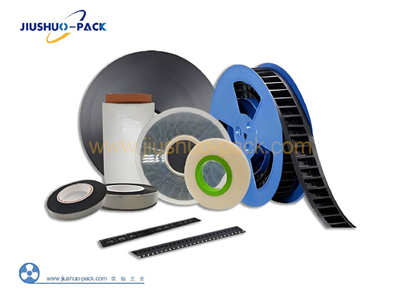
![SMT Cover Tape]() SMT Cover TapeSMT cover tape is used in tape and reel packaging to seal carrier tape pockets containing electronic components. It protects the components during transportation and enables controlled peeling during
-
![Heat Activated Cover Tape]() Heat Activated Cover TapeHeat activated cover tape is designed to seal carrier tape pockets using heat during tape and reel packaging. It provides secure sealing and stable peel performance for automated SMT assembly.
-
![Pressure Sensitive Cover Tape]() Pressure Sensitive Cover TapePressure sensitive cover tape is used in tape and reel packaging to seal carrier tape pockets without heat. It provides convenient sealing and controlled peel performance for automated SMT assembly.


Cover tape construction varies according to the sealing method, carrier tape material, and packaging requirements:
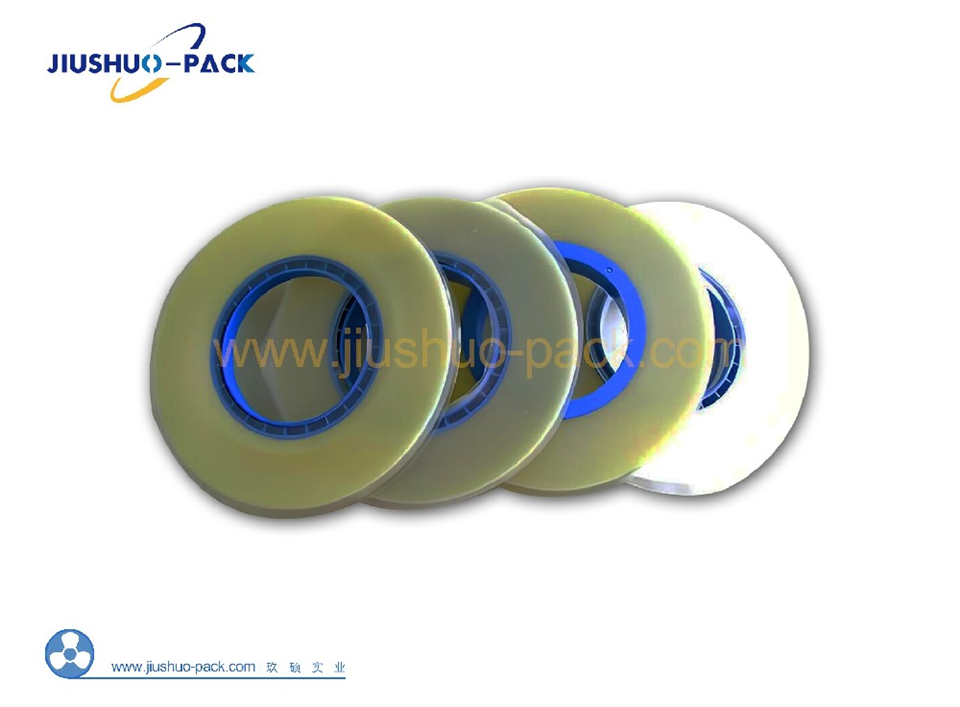
Key Features & Selection Criteria
Carrier Tape Compatibility
The cover tape must match the carrier tape material, width, sealing surface, and packaging process. Compatibility must be verified for the specific combination of cover tape, carrier tape, and sealing equipment.
Peel Force Requirements
Peel force is critical for stable component feeding. The target range must be established according to packaging requirements and verified using an agreed test method and condition, rather than selected solely by component size or tape width.
Sealing Conditions
For heat-seal applications, evaluate the adhesive system and sealing parameters together, including sealing temperature, pressure, dwell time, and line speed.
Electrostatic Control
For ESD-sensitive components, confirm required electrical properties, test methods, and product-specific test data prior to selection.
Dimensional Requirements
Verify required tape width, thickness, dimensional tolerance, and roll length before ordering.
Technical Specifications
|
Parameter |
Specification / Confirmation Required |
|
Product Type |
Heat-seal or pressure-sensitive cover tape |
|
Base Film Material |
Confirm by product model |
|
Adhesive Type |
Confirm by product model |
|
Carrier Tape Compatibility |
Confirm compatible carrier tape materials (PS, PC, APET) |
|
Total Thickness |
Confirm available specifications and tolerance |
|
Tape Width |
Confirm standard and custom width options |
|
Peel Force |
Confirm target range, test method, and test conditions |
|
Electrical Properties |
Confirm surface resistivity and test requirements |
|
Roll Length |
Confirm available options (e.g., 300 m, 500 m, custom) |
|
Sealing Conditions |
Confirm recommended temperature and operational window |
|
Applicable Standards |
Confirm required standard (e.g., EIA-481) and documentation |
|
Quality Documentation |
Confirm available inspection records and test reports |
Manufacturing & Quality Control
Manufacturing and inspection requirements are defined according to the cover tape specification and its intended packaging application, including:
Slitting and Dimensional Inspection
Verify tape width and specified dimensions against order requirements.
Appearance Inspection
Check for visible defects affecting the intended packaging application.
Peel Force Testing
Verify peel force against the agreed acceptance range using specified test methods and conditions.
Electrical Property Testing
Confirm applicable electrical characteristics when antistatic or ESD-related requirements are specified.
Roll and Order Verification
Check roll length, product identification, and order specifications before shipment.
Documentation Review
Confirm that the product specification and test records correspond to the supplied product model.
Frequently Asked Questions

Request a Quote & Free Samples
To help evaluate your cover tape requirements and provide accurate technical matching, please include the following information in your inquiry:
Carrier Tape Details: Material (PS / PC / APET), width, and relevant specifications
Sealing Method: Heat-seal or pressure-sensitive
Required Peel Force: Target range and test conditions
Electrical Requirements: Antistatic or other specified electrical properties
Tape Dimensions: Required width, thickness, and dimensional tolerance
Roll Requirements: Length per roll and order quantity
Packaging Equipment: Sealing machine and operating conditions, where available
Applicable Standards & Reference Documents: Required specifications or sample details, if available
As one of the most professional cover tape manufacturers and suppliers in China, we also support customized service. Please feel free to buy high quality cover tape made in China here from our factory. Contact us for more details.