

Product Overview & Applications
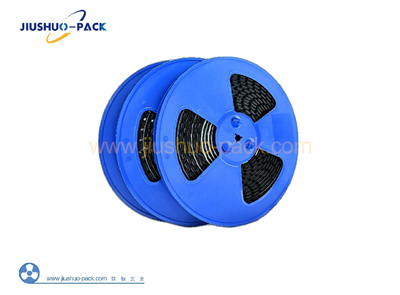
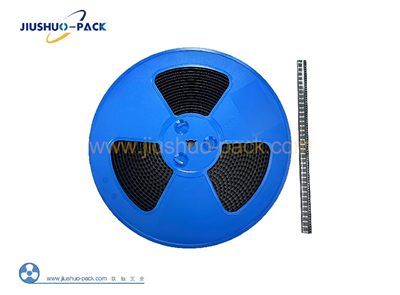
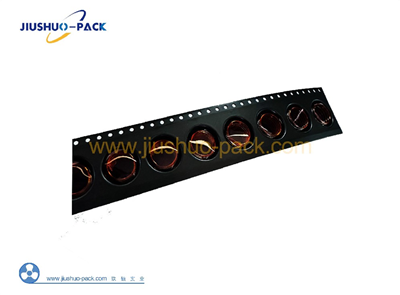
Plastic reels are utilized to wind, store, transport, and feed carrier tape containing electronic components in surface-mount technology (SMT) packaging processes. Reel dimensions and structural design must align precisely with carrier tape specifications, winding parameters, and the mechanical interface of the intended automated feeding or packaging equipment.
These components are engineered for carrier tape manufacturers, electronic component suppliers, electronics packaging facilities, and electronic manufacturing services (EMS) providers requiring strict dimensional compatibility for high-speed automated production.
-
![SMT Plastic Reel]() SMT Plastic ReelSMT plastic reel is an important component used in tape and reel packaging for electronic components. It is designed to hold carrier tape containing packaged components and allows the tape to be
-
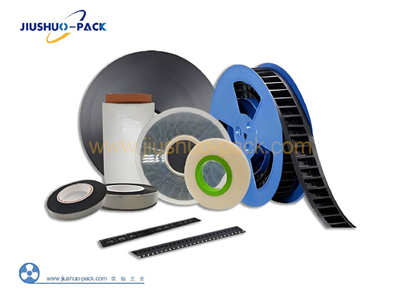
![SMD Plastic Reel]() SMD Plastic ReelThis product is used for the tape and reel packaging of surface-mount devices. It carries carrier tape loaded with electronic components and supports automatic feeding in SMT assembly processes.By
-
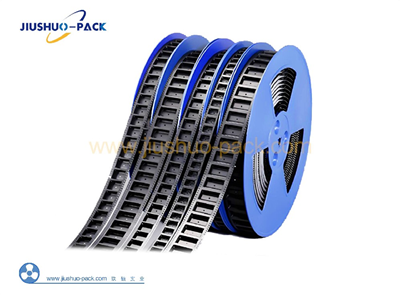
![PCB Assembly Plastic Reel]() PCB Assembly Plastic ReelPlastic reels for PCB assembly are used in tape and reel packaging to support automated component feeding in SMT lines.By winding carrier tape onto reels, components are packaged in a continuous
-
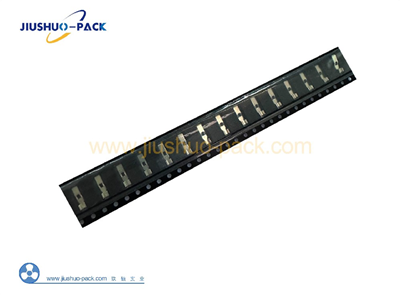
![Electronics Component Plastic Reel]() Electronics Component Plastic ReelPlastic reels for electronic components are used in tape and reel packaging to securely hold carrier tape. They support efficient transportation, orderly storage, and automated feeding in SMT


Materials & Structural Design
Material Options
Polymer selection is dictated by mechanical load requirements, winding tension, operational environment, and electrostatic protection needs.
ABS (Acrylonitrile Butadiene Styrene): Balanced choice for reusable process reels, delivering high tensile strength, dimensional stability, and wear resistance.
HIPS (High-Impact Polystyrene): Cost-effective compound optimized for single-trip or light-load packaging applications requiring reliable rigidity.
PC (Polycarbonate): Deployed for high-stress or heavy-duty winding environments requiring exceptional impact resistance and thermal stability.
Conductive / Static-Dissipative Compounds: Compounded with permanent antistatic agents or carbon fillers to achieve controlled surface resistivity for static-sensitive electronic components.
Final material selection must be validated against the technical requirements of the specific application.
Main Structural Components
Flanges: Outer circular walls that contain the wound carrier tape. Flange diameter, thickness, spacing, and axial flatness must match equipment clearance limits.
Hub / Barrel: Central cylindrical core supporting the wound tape. Hub dimensions determine the inner winding diameter and structural support under tension.
Center Hole / Arbor Hole: Precision-formed center aperture interfacing directly with drive spindles or handling shafts. Tolerances, keyways, or metal inserts are defined in approved engineering drawings.
Optional Design Features: Slot configurations, anchor pins, and identification markings can be incorporated based on specific tooling capabilities and equipment requirements.
Technical Specifications & Selection Requirements
Standard engineering parameters required for industrial reel evaluation:
|
Parameter |
Specification / Selection Requirement |
|
Product Type |
Plastic reel for carrier tape packaging |
|
Flange Diameter |
Confirm nominal dimension and tolerance limits |
|
Hub Diameter |
Confirm nominal barrel dimension and winding capacity |
|
Winding Width |
Confirm usable traverse width and flange spacing |
|
Center-Hole Diameter |
Confirm equipment spindle interface and tolerance |
|
Material Grade |
Confirm approved polymer type (ABS, HIPS, PC, etc.) |
|
Surface Properties |
Confirm finish and application-specific texture |
|
Electrostatic Properties |
Specify electrical surface resistivity limits if applicable |
|
Wall Thickness |
Confirm structural dimensions per load rating |
|
Operating Temperature |
Confirm permitted thermal range for the selected polymer |
|
Color & Branding |
Confirm standard color options and part marking details |
Standards and Verification Guidelines
Applicable industry standards must be established based on the end application and customer specifications.
For SMT carrier tape packaging, compliance with EIA-481 dimensional provisions regarding pocket compatibility and hub spacing must be verified.
Inspection methods, acceptable tolerances, and electrostatic testing protocols should be mutually agreed upon prior to production approval.
Manufacturing & Quality Control

Manufacturing Considerations
Material Verification: Incoming polymer batches are checked against material data sheets and lot traceability records.
Molding Process Control: Multi-cavity injection molding parameters (including melt temperature, injection pressure, and cooling cycles) are regulated to ensure uniform density and prevent warping.
Dimensional Consistency: Critical features--including flange runout, hub concentricity, and winding width--are monitored throughout production runs.
Tooling Evaluation: Custom tooling designs undergo mold flow analysis and prototype sampling before mass production.
Quality Inspection Protocols
Dimensional Inspection: Measurement of flange diameter, hub dimensions, traverse width, and center-hole tolerances using calibrated instruments.
Visual Inspection: Examination for surface defects, flash, incomplete filling, or structural deformation.
Mechanical Testing: Drop impact and load deflection evaluations performed on sample lots.
Electrostatic Testing: Surface resistivity verification conducted for static-safe product lines.
Documentation Support: Verification reports, material certificates of analysis, and inspection records available upon request.

Customization & OEM Requirements
Customized plastic reels can be developed using client-supplied technical drawings, 3D CAD files, or reference samples.
Customization Scope
Flange diameter and hub dimensions
Traverse width and center-hole interface
Polymer grade and color compounding
Electrostatic resistivity performance
Custom part numbering, logos, and structural slotting
Customization Workflow
Step 1: Requirement Review: Submit application details, carrier tape dimensions, and equipment interface constraints.
Step 2: Drawing Evaluation: Provide 2D/3D CAD models or physical samples for technical feasibility analysis.
Step 3: Material & Design Confirmation: Finalize polymer grade, structural thickness, and electrostatic specifications.
Step 4: Tooling & Sampling: Fabricate custom molds and supply initial prototype samples with inspection reports.
Step 5: Production Approval: Authorize final specifications, quality criteria, and commercial terms before volume manufacturing.
Frequently Asked Questions

Request a Quote for Plastic Reels
To receive an accurate technical and commercial quotation within 24 hours, please provide the following information:
Part Dimensions: Flange diameter, hub diameter, winding width, and center-hole diameter.
Material Specifications: Preferred polymer grade and surface resistivity requirements.
Application Parameters: Carrier tape type, winding tension, and equipment interface details.
Commercial Terms: Prototype quantity, annual demand, and destination port/zip code.
Technical Files: 2D drawings, 3D CAD models, or reference part numbers.
As one of the most professional plastic reel manufacturers and suppliers in China, we also support customized service. Please feel free to buy high quality plastic reel made in China here from our factory. Contact us for more details.