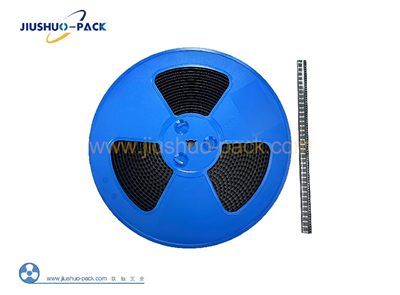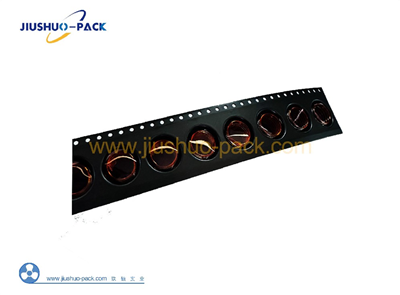


Product Overview
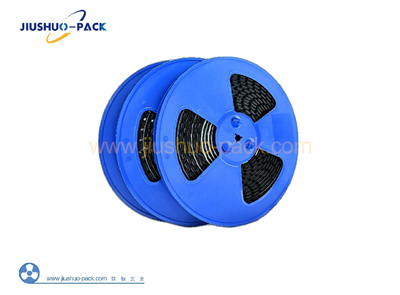
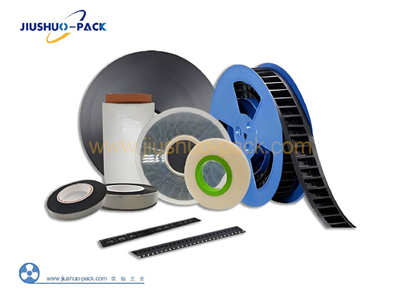
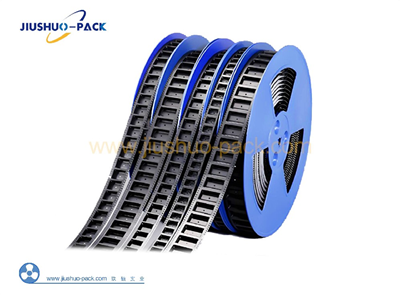
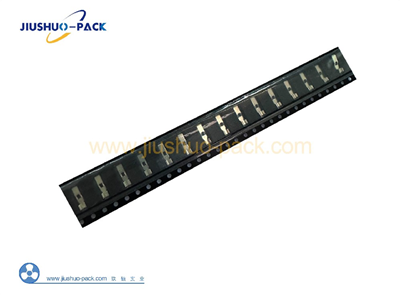
A Reel and Tape Packaging Machine is used to package electronic components into carrier tape for storage, handling, and automated surface-mount technology (SMT) assembly. The machine coordinates component feeding, placement into carrier tape pockets, cover tape sealing, and reel winding.
Designed for electronic component manufacturers, semiconductor packaging operations, and electronic manufacturing service (EMS) providers, the equipment supports reel-to-reel packaging workflows for surface-mount devices (SMDs). The appropriate machine configuration depends on component dimensions, carrier tape specifications, cover tape material, required production output, and automation requirements.
-
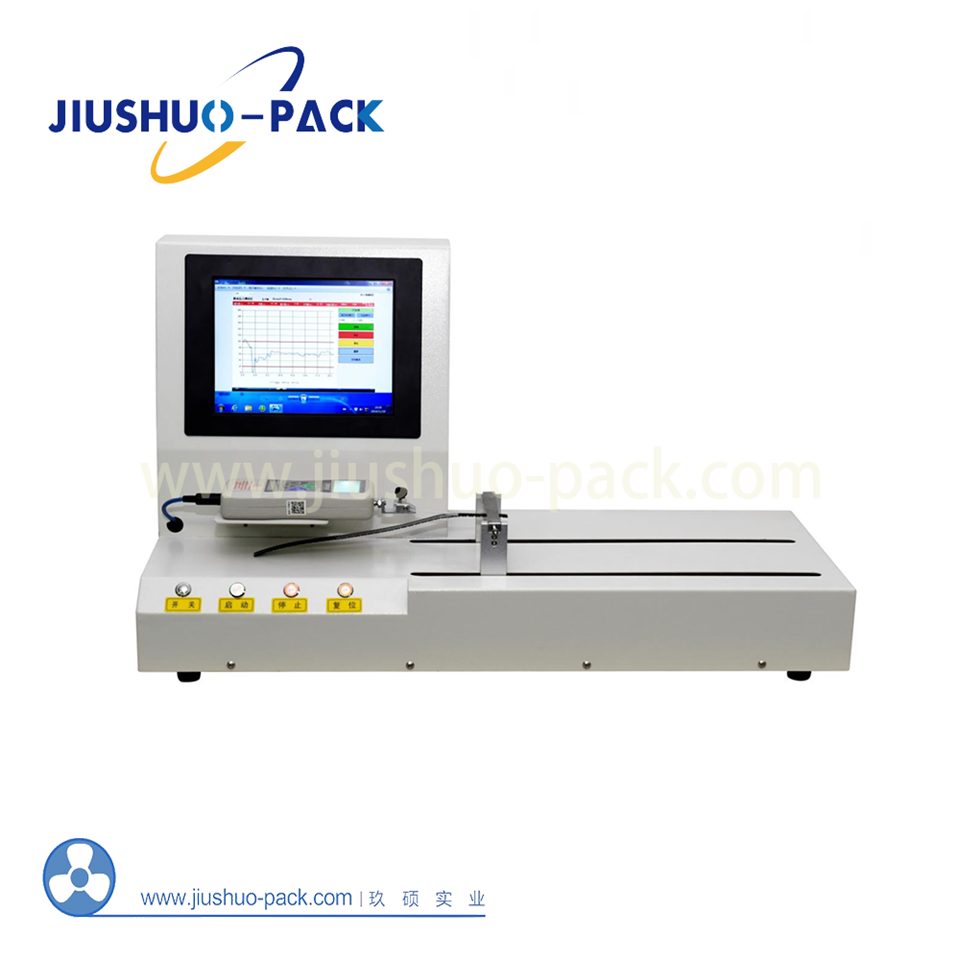
![Carrier Tape Peel Strength Tester]() Carrier Tape Peel Strength TesterThis tester measures carrier tape peel force per EIA‑481, ensuring proper SMT assembly. It applies to various SMD components and provides required inspection reports for shipment.
-
![Carrier Tape Production Machine]() Carrier Tape Production MachineProduct Model: JSTW-ZDJ-021Product Name: Embossed Carrier Tape Forming MachineEfficiency: 200 to 300 meters can be produced per hourProduct application: Production of embossed carrier tape
-
![Fully Automatic Carrier Tape Packaging Machine]() Fully Automatic Carrier Tape Packaging MachineFully Automatic - Vibrating Disc Feeding +CCD Detection Carrier Tape Packaging MachineFully Automatic Carrier Tape Packaging Machine can be customized according to customer
-
![Micro-Adhesive Carrier Tape Packaging Machine]() Micro-Adhesive Carrier Tape Packaging MachineVoltage:AC220V2Working Air Pressure:5-7 kg/cm²Power:1.5 kWDimensions (L×W×H):1200×750×1700 mmWeight:300 kg
-
![Pallet Transfer with Carrier Tape Packaging Machine]() Pallet Transfer with Carrier Tape Packaging MachineModel:YX-Z77-1Three: Machine Performance and ParametersPower supply: 220V 50HzAir source used: greater than 0.4MPa, dry and cleanEquipment appearance: 1250*950*1400 (for reference only)Equipment
-
![Plastic Reel Changing Machine]() Plastic Reel Changing MachineDimensions: 880mm × 580mm × 1800mmWeight: Applicable carrier tape widths: 16mm, 24mm, 32mm, 44mm, 56mmPower supply: AC220VAir pressure: 0.5–0.7MPaRewinding speed: Max. 50s per reelThe Plastic Reel
-
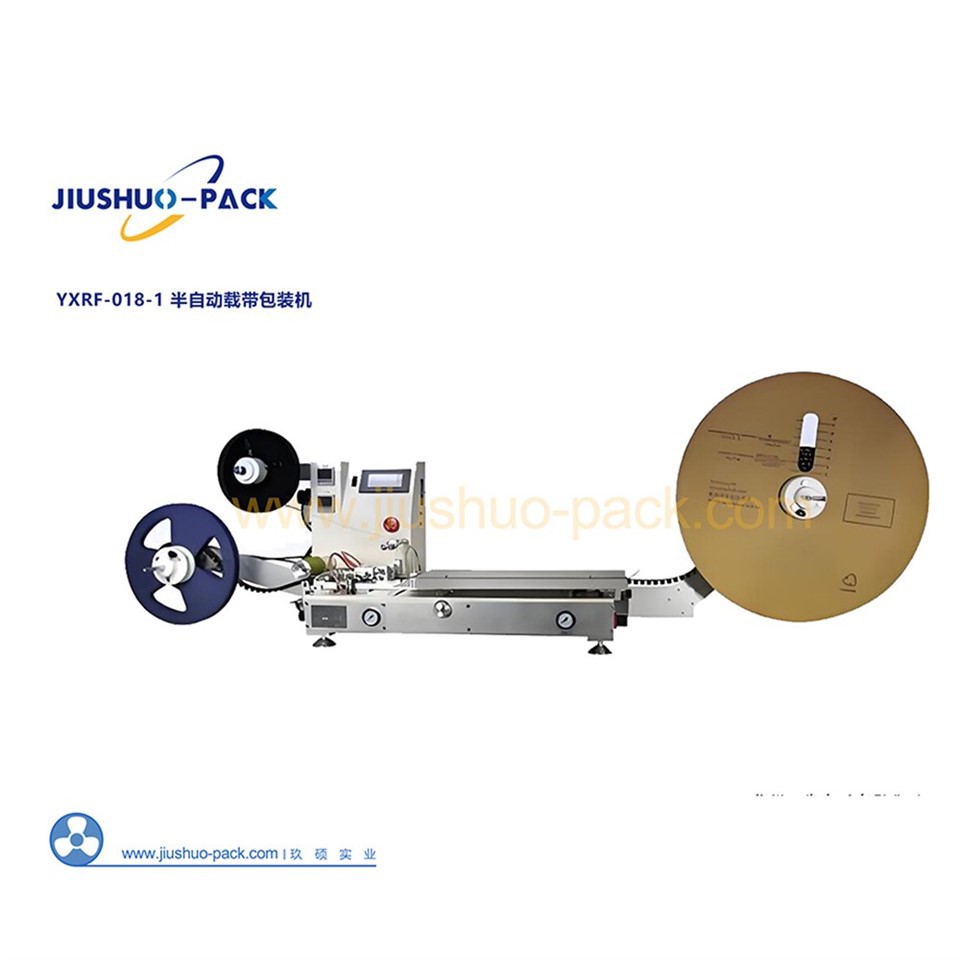
![Semi-Automatic Carrier Tape Packaging Machine]() Semi-Automatic Carrier Tape Packaging MachineModel:YXRF-018-2Packaging speed: 5,000–8,000 pcs/hApplicable carrier tape width: 8–88 mmSealing mode: Cold sealing & heat sealingOperation control: HMI + foot pedalPower supply: AC220V, 50Hz, 300W
-
![Visual Inspection Carrier Tape Packaging Machine]() Visual Inspection Carrier Tape Packaging MachineThis visual inspection carrier tape packaging machine integrates automatic detection, packaging and sealing, widely used for SMD components, ensuring high accuracy and stable quality.


Technical Specifications
The following specifications should be confirmed against the selected machine model before ordering.
|
Technical Parameter |
Specification / Selection Criteria |
|
Compatible Carrier Tape Width |
Confirm available widths and tooling options |
|
Feed Pitch |
Depends on the carrier tape pocket pitch and machine configuration |
|
Indexing Accuracy |
Confirm the specified accuracy and measurement method |
|
Packaging Speed |
Depends on component dimensions, feeding method, and machine configuration |
|
Sealing Temperature |
Depends on the cover tape material and sealing process |
|
Sealing Pressure |
Confirm the available adjustment range and process requirements |
|
Cover Tape Compatibility |
Confirm supported heat-seal or pressure-sensitive cover tape types |
|
Reel Capacity |
Confirm maximum reel diameter, width, and compatible reel dimensions |
|
Control System |
Confirm PLC, HMI, and available automation functions |
|
Power Supply |
Confirm voltage, frequency, and rated power for the selected model |
|
Compressed Air |
Confirm operating pressure, air consumption, and air quality requirements |
|
Inspection Options |
Confirm availability of component inspection, missing-part detection, or automatic rejection |
Working Principle and Machine Configuration
Component Feeding and Carrier Tape Indexing
The feeding system delivers components to the corresponding pockets in the carrier tape. An indexing mechanism advances the tape according to the configured feed pitch, allowing components to be positioned for subsequent sealing and winding operations. Feeding equipment and tooling should be selected according to component dimensions, package type, orientation, pocket geometry, and required output.
Cover Tape Sealing
After components are placed in the carrier tape pockets, the cover tape is applied and sealed using the machine's configured sealing method. Sealing conditions depend on the cover tape and carrier tape materials, temperature, pressure, and processing speed. These parameters should be evaluated using the specified packaging materials to establish suitable process settings and verify the resulting seal quality.
Tension Control and Reel Winding
The winding system collects the packaged carrier tape onto a reel. Appropriate tension control and alignment help manage tape movement during winding. The required winding configuration depends on carrier tape properties, reel dimensions, production speed, and downstream handling requirements. Available tension-control components and adjustment functions should be confirmed for the selected machine.
Static Control
When packaging electrostatic discharge (ESD)-sensitive components, static-control requirements should be considered during machine selection. Grounding arrangements, antistatic materials, and ionization equipment may be specified according to the actual machine configuration and the customer's ESD control requirements. Specific electrical resistance values or ESD performance claims should be supported by applicable test results.
Carrier Tape Compatibility and Automation
Carrier Tape and Component Compatibility
Machine selection begins with the dimensions and packaging requirements of the components and carrier tape. The following information should be reviewed:
Carrier Tape Parameters: Carrier tape width, material, pocket pitch, and pocket dimensions
Component Dimensions: Component length, width, height, and orientation
Cover Tape Specs: Cover tape material, width, and sealing method
Reel Specifications: Reel diameter, width, and winding requirements
Output Parameters: Required production speed and feeding method
Format Changeover
Changeover requirements depend on the differences between component packages, carrier tape dimensions, tooling, and feeding arrangements. Depending on the machine design, changeover may involve replacing guide components, adjusting indexing settings, changing feeding fixtures, and selecting the appropriate operating recipe. Please provide the range of component and tape specifications to be processed so that tooling requirements and expected changeover procedures can be evaluated.
Production Line Integration
Integration with upstream feeding equipment or downstream packaging systems depends on mechanical interfaces, electrical I/O, communication protocols, and control requirements. Available PLC functions, digital I/O, and industrial communication interfaces should be confirmed for the selected configuration. Third-party equipment integration may require interface verification, control logic adjustments, or additional engineering.
Optional Inspection Functions
Depending on the machine configuration, inspection functions may be considered for checking component presence, orientation, or placement before final reel winding. Vision inspection, automatic rejection, and production monitoring should be treated as model-specific or optional functions unless they are included in the confirmed standard configuration.
Applications
Reel and Tape Packaging Machines are used in electronic component packaging workflows where components need to be arranged in carrier tape for automated handling and SMT assembly.
Surface-Mount Electronic Components
For components supplied in tape-and-reel packaging, the machine places components into carrier tape pockets, applies cover tape, and winds the packaged tape onto reels. Actual compatibility depends on the component package, pocket design, feeding method, and machine tooling.
Electronic Component Manufacturing
Component manufacturers may use reel-and-tape packaging equipment to prepare products for shipment, inventory handling, and automated placement processes. The required configuration depends on product variety, output targets, and packaging specifications.
Electronics Manufacturing Services
EMS providers and contract manufacturers may require packaging equipment for production environments involving different component formats or packaging runs. Selection should consider the expected product mix, changeover requirements, inspection needs, and integration with existing production equipment.
Manufacturing and Quality Control
Machine manufacturing and quality verification should focus on the mechanical, electrical, and packaging functions that affect equipment operation.
Mechanical Assembly and Alignment: Assembly checks may cover frame and baseplate condition, guide alignment, feeding mechanisms, sealing station alignment, and reel winding components. Any dimensional tolerances stated in the machine specification should identify the relevant part, measurement method, and acceptance criteria.
Electrical and Control System Checks: Electrical inspection and functional testing may include control cabinet wiring, sensor operation, motor control, HMI functions, and applicable safety interlocks. The exact inspection scope depends on the manufacturer's documented procedures.
Functional Testing: Functional testing should verify the machine's configured feeding, indexing, sealing, and winding operations. Where applicable, temperature control, pressure adjustment, alarms, and interface functions should be checked against the approved machine specification.
Sample Packaging Verification: Sample packaging tests can be conducted using the customer's specified components, carrier tape, and cover tape. Depending on the project requirements, verification may include component placement, tape feeding, seal condition, winding quality, and cover tape peel force. Test results should be interpreted under defined material and operating conditions. Performance values should only be published when supported by actual measurements or documented acceptance criteria.
Final Inspection and Documentation: The final inspection scope and available delivery documents should be confirmed in the order specification. Depending on the machine and project, documentation may include operating instructions, electrical drawings, pneumatic diagrams, maintenance guidance, and agreed functional test records.
Frequently Asked Questions
Request a Quote
To evaluate the appropriate Reel and Tape Packaging Machine configuration, please provide the following information:
Component Specifications
- Package Details: Component name or package type
- Physical Dimensions: Length, width, and height
- Handling Method: Component orientation and feeding method
- Reference Data: Sample components or technical drawings, if available
Carrier Tape Requirements
- Material Specs: Tape width and material
- Pocket Metrics: Pocket pitch, width, length, and depth
- Spool Specs: Reel dimensions
- Format Needs: Required packaging format
Cover Tape Requirements
- Material Properties: Cover tape material and width
- Sealing Method: Heat-seal or pressure-sensitive sealing method
- Force Standards: Applicable sealing or peel-force requirements
Production Requirements
- Target Output: Target output in components per hour
- Product Mix: Expected product variety
- Shift Details: Operating hours or shift requirements
- Transition Rate: Required changeover frequency
Inspection and Automation
- Quality Checks: Component presence or orientation inspection requirements
- Reject Protocol: Automatic rejection requirements, if applicable
- Line Context: Upstream and downstream equipment details
- Communication Protocols: Required electrical interfaces and communication protocols
Installation and Delivery
- Site Location: Installation location
- Utility Support: Power and compressed air requirements
- Service Scope: Commissioning and operator training requirements
- Timeline Target: Target delivery date
As one of the most professional reel and tape packaging machine manufacturers and suppliers in China, we also support customized service. Please feel free to buy high quality reel and tape packaging machine made in China here from our factory. Contact us for more details.
Carrier Tape Peel Strength Tester, Fully Automatic Carrier Tape Packaging Machine, Semi Automatic Carrier Tape Packaging Machine