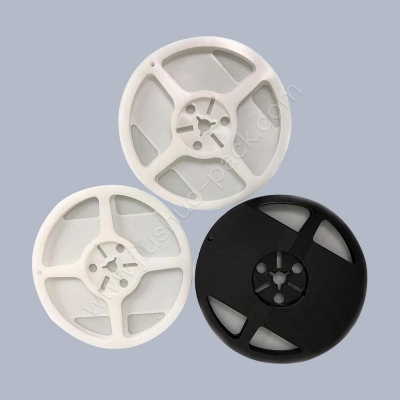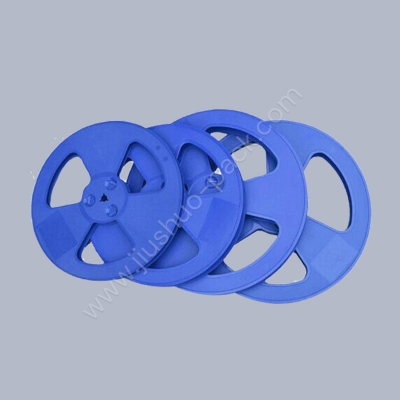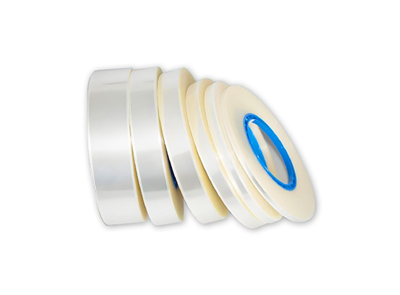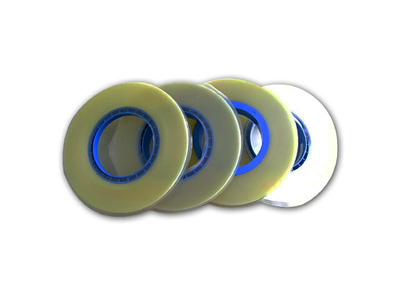

SMD carrier tape plays a pivotal role in the field of electronics manufacturing, serving as an indispensable consumable within the automated production workflow for Surface Mount Devices (SMDs). Its primary function is to provide a secure and organized solution for the transport and storage of miniaturized, high-density electronic components, thereby ensuring precise component feeding during high-speed pick-and-place operations. As electronic products continue to evolve toward greater thinness and integration, component sizes are shrinking while pin densities are increasing significantly; this trend imposes increasingly stringent demands on packaging and assembly processes. SMD carrier tape is widely utilized precisely to meet the challenges posed by this technological evolution. Typically, an SMD carrier tape assembly consists of three main parts: the carrier body (base tape), the cover tape, and the bottom tape. The base tape is fabricated from materials exhibiting excellent anti-static and thermal-resistance properties-such as polypropylene or polycarbonate-and features a regularly spaced array of recessed pockets designed to house various SMD components of differing specifications, including resistors, capacitors, transistors, and integrated circuits.
The dimensions and geometry of each pocket are precisely engineered to match the specific physical contours of the corresponding component, thereby preventing displacement or collision during transport and storage, and effectively safeguarding against mechanical damage. The cover tape is applied over the base tape-typically via heat sealing or pressure bonding-to create a protective seal that prevents the ingress of dust and moisture, while also ensuring that components remain securely seated within their pockets during periods of vibration or handling. Within an SMT production line, the SMD carrier tape is loaded onto a feeder unit; as the pick-and-place machine operates, the carrier tape advances incrementally. Upon reaching the designated extraction point, the cover tape is automatically peeled away, allowing the placement head-utilizing a vacuum nozzle-to retrieve the component from its pocket and precisely mount it onto the corresponding solder pad location on the PCB.
This highly automated process results in significant improvements in both production efficiency and placement accuracy. Furthermore, SMD carrier tape offers excellent traceability capabilities; the edges of the tape feature sprocket holes and designated marking zones that facilitate the identification of component models, batch numbers, and production dates, thereby streamlining quality control and material management processes. Based on their structural composition, SMD carrier tapes can be broadly categorized into paper-based tapes, plastic-based tapes, and composite material tapes, each suited to specific environmental conditions and component types. For instance, for humidity-sensitive components, plastic carrier tapes with excellent moisture-proof properties are often employed in conjunction with desiccants; conversely, for cost-sensitive components with less stringent protection requirements, economical paper carrier tapes may be selected.