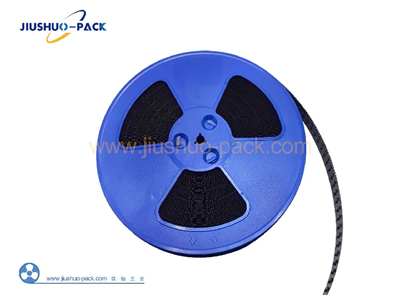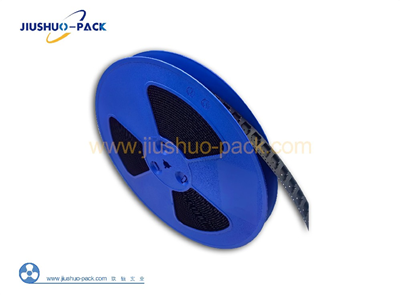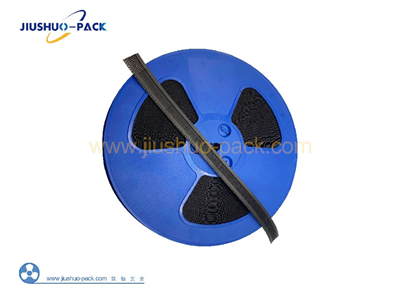

Conductive Performance
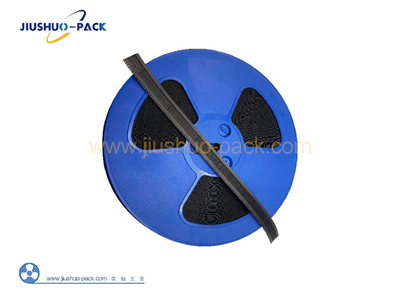
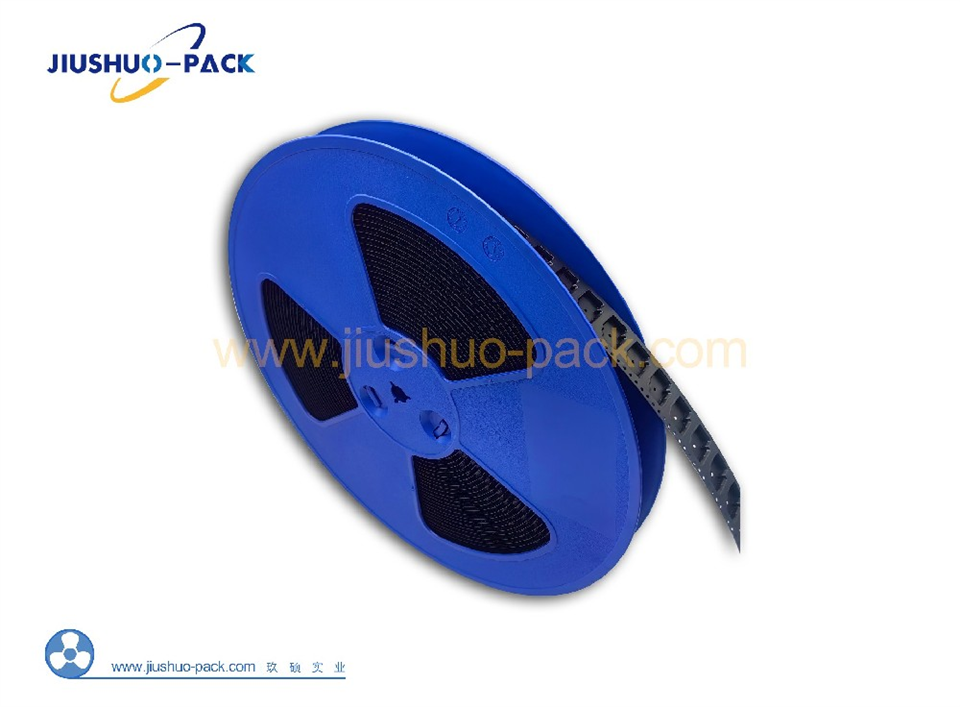
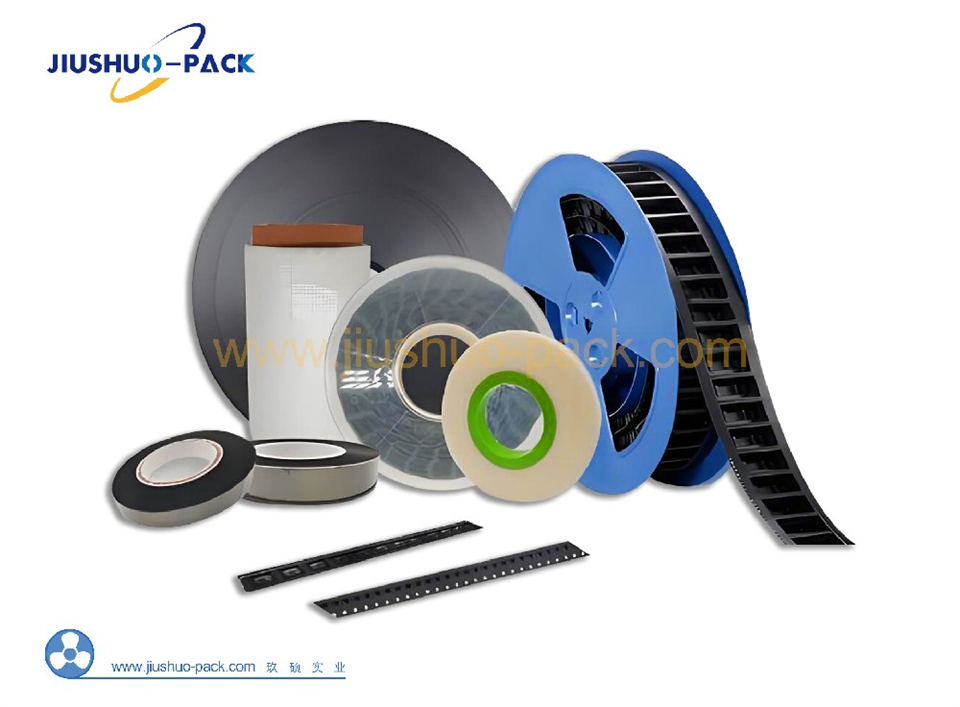
Conductive carrier tape provides improved electrostatic control compared with standard antistatic materials.
While antistatic materials reduce static buildup, conductive carrier tape allows electrical charges to dissipate more rapidly, helping prevent electrostatic discharge that may damage sensitive semiconductor components.
Typical surface resistance values for conductive carrier tape range from 10³ to 10⁵ Ω, providing stronger ESD protection in high-sensitivity electronic packaging environments.
Pocket Structure
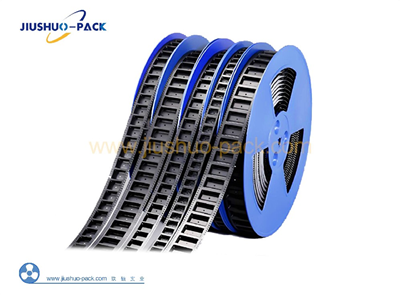
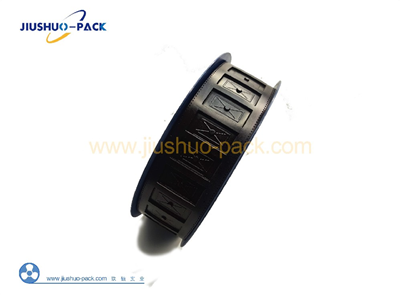
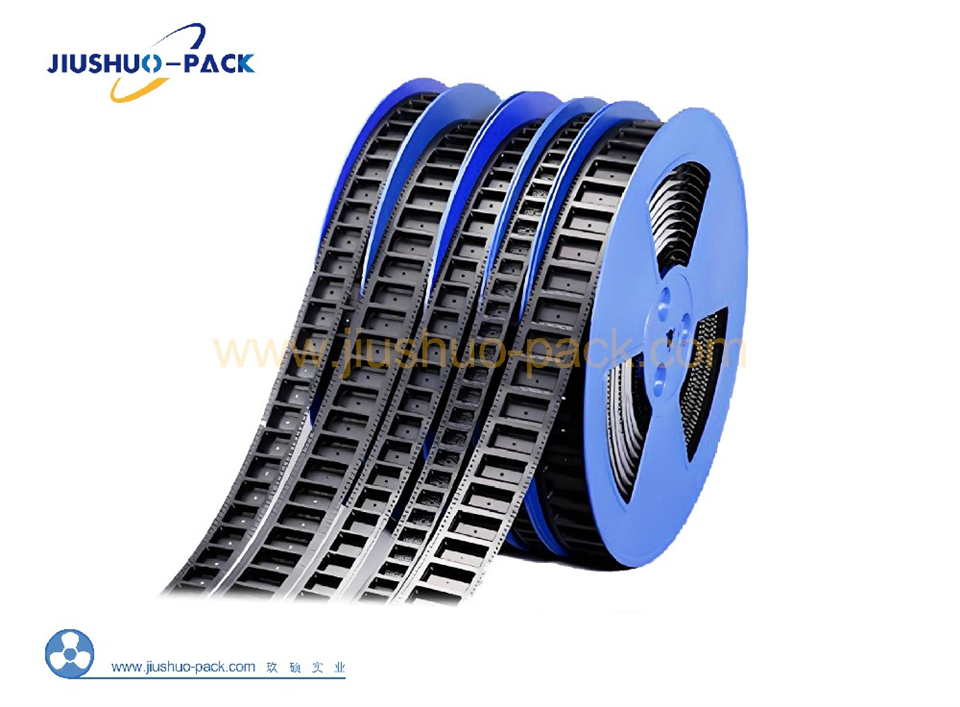
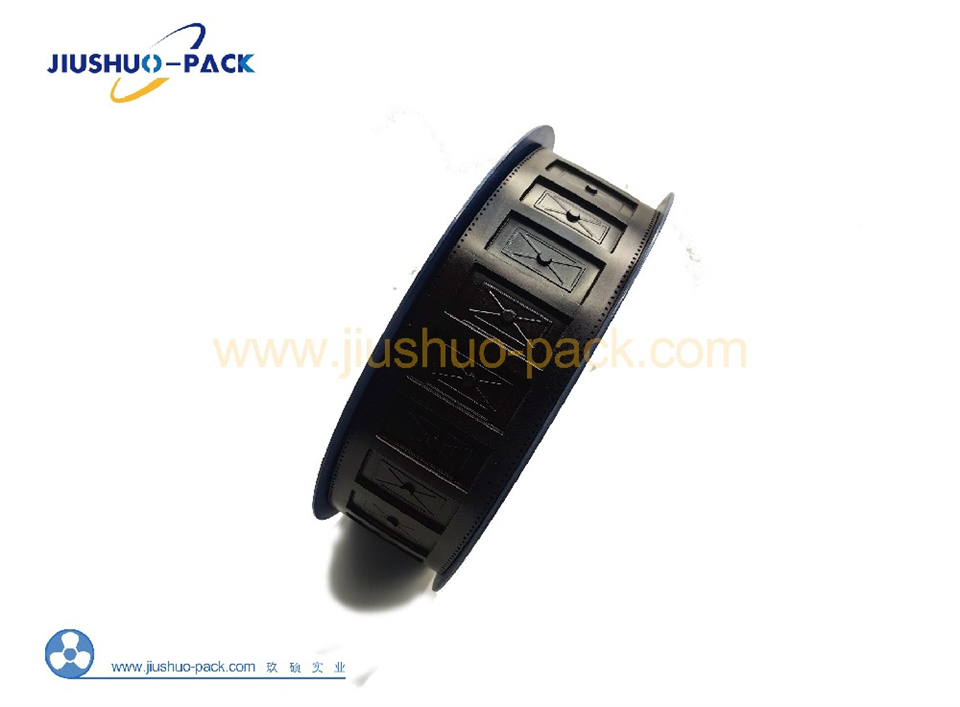
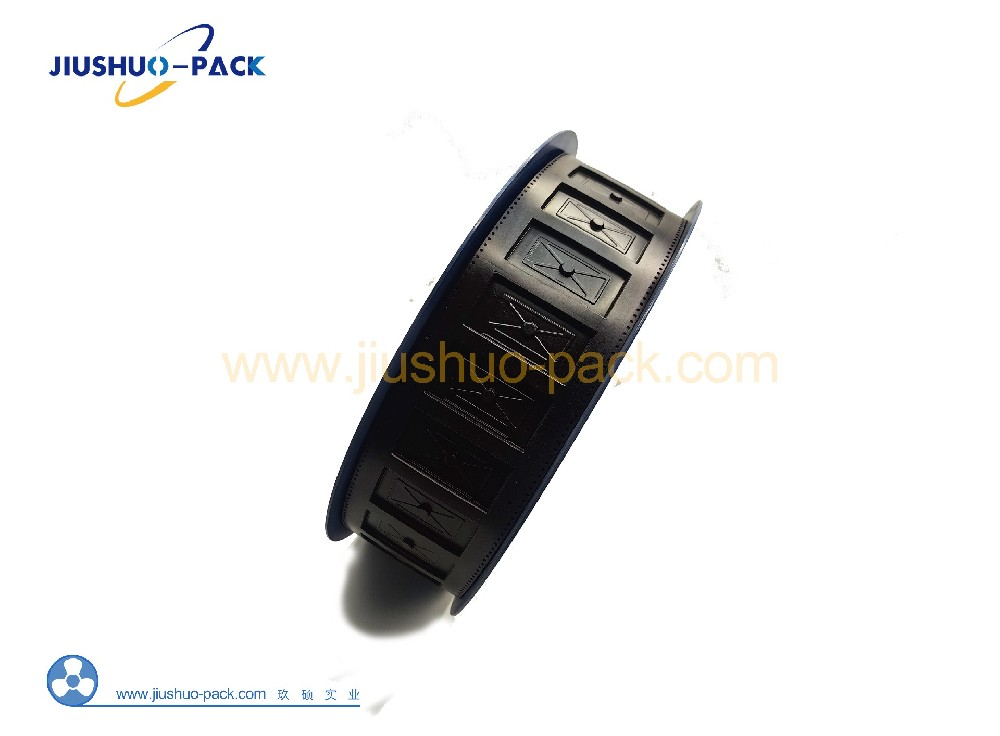
- Conductive carrier tape contains precisely formed pockets designed according to the size and geometry of electronic components.
- These pockets help maintain stable positioning of components during handling and automated feeding.
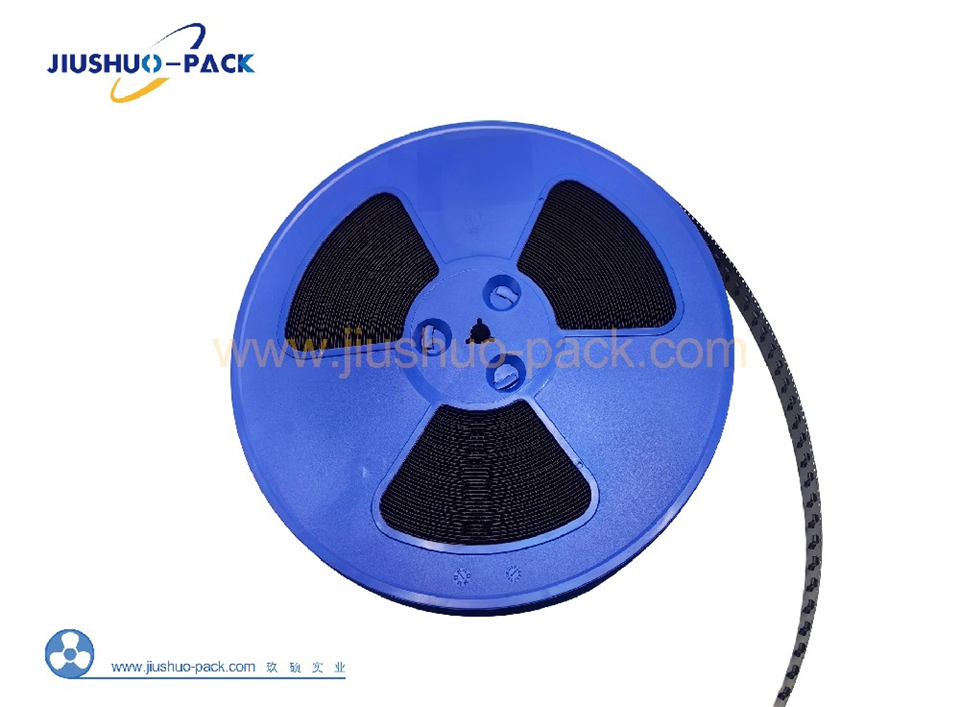
- Standardized sprocket holes along the tape edges allow accurate indexing when the tape moves through SMT pick-and-place machines, ensuring reliable feeding during high-speed SMT production.
Manufacturing And Quality Control
Carrier tape used for electrostatic-sensitive components requires strict manufacturing control and ESD performance testing.
Production processes typically include:
- raw material inspection
- pocket dimension verification
- forming process monitoring
- ESD resistance testing
- finished product inspection
Most conductive carrier tape products comply with RoHS environmental requirements and follow EIA-481 and EIA-541 standards, which define specifications for carrier tape packaging and electrostatic control in electronics manufacturing.
Specifications
|
Item |
Specification |
| Material | PS / PC / PET / ABS |
| Surface Resistance | 10³ – 10⁵ Ω |
| Tape Width | 8 mm – 120 mm |
| Thickness |
0.25 mm – 1.0 mm |
| Pocket Depth | 1 mm – 40 mm |
|
Color |
Black |
|
Length |
1 – 1000 m per reel |
|
Standard |
EIA-481 / EIA-541 |
Hot Tags: conductive carrier tape, China conductive carrier tape manufacturers, suppliers, factory