

Packaging Structure
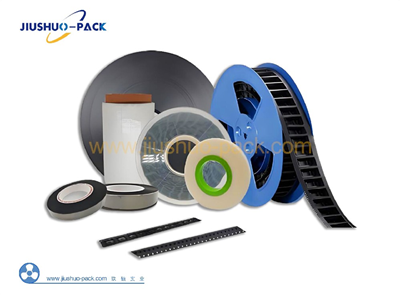
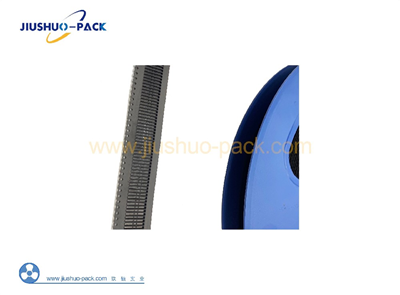
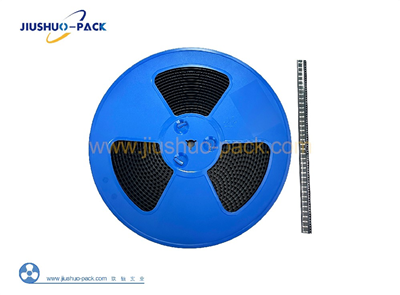
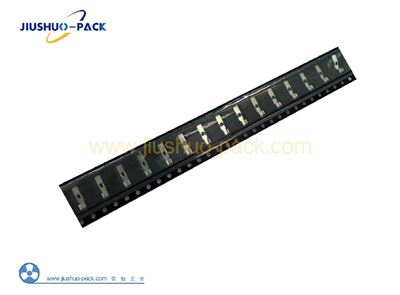
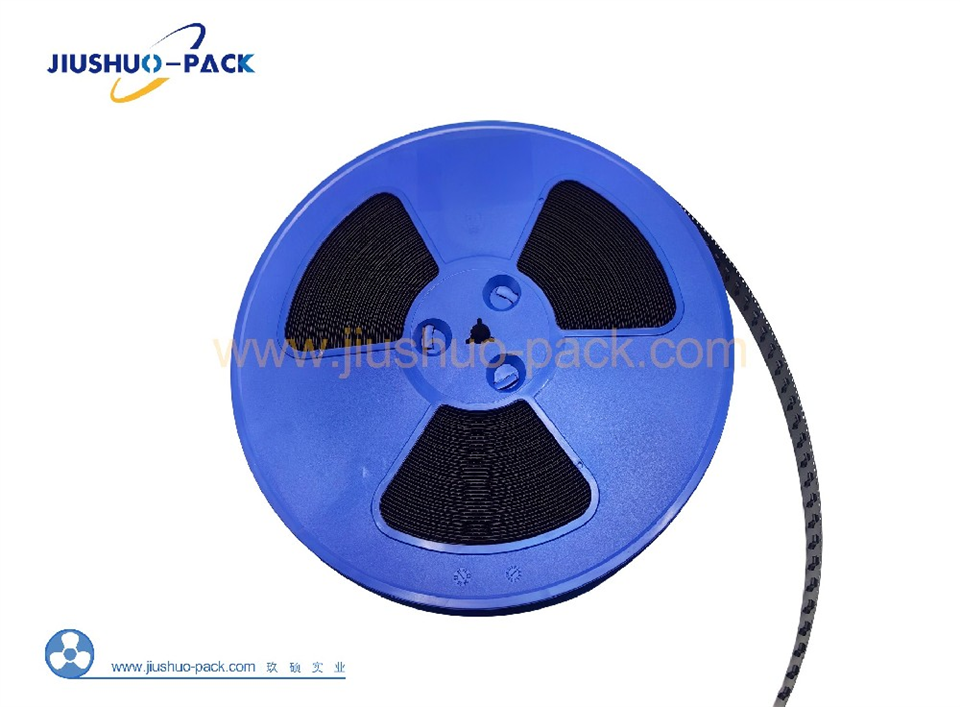
In tape and reel packaging, SMD components are first placed into the pockets of the carrier tape.
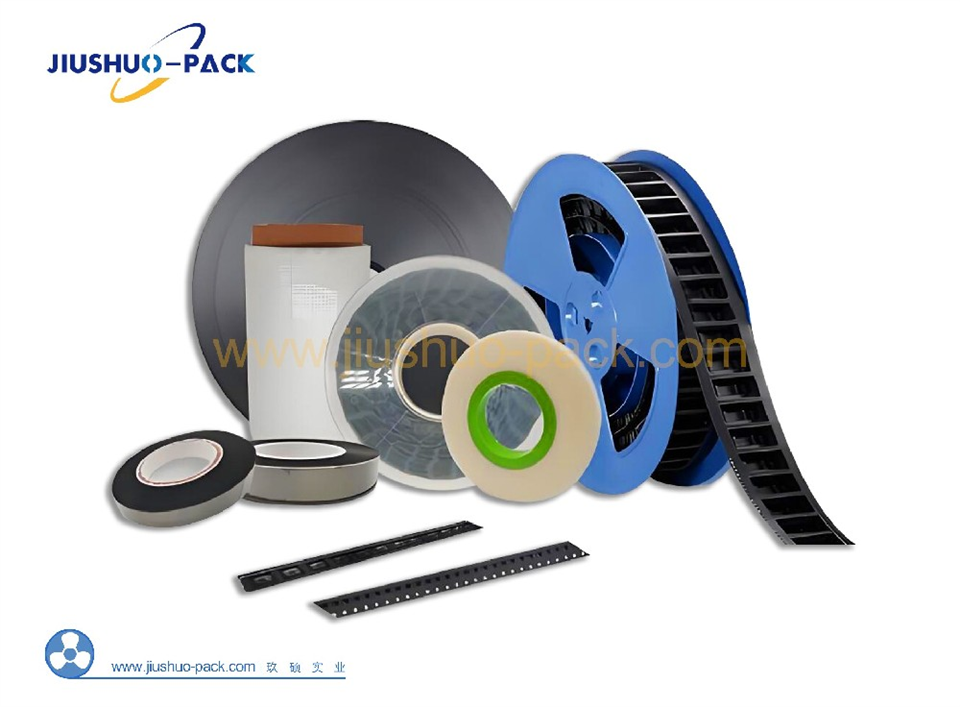
The cover tape is then applied to seal the pockets and secure the components inside the tape structure.
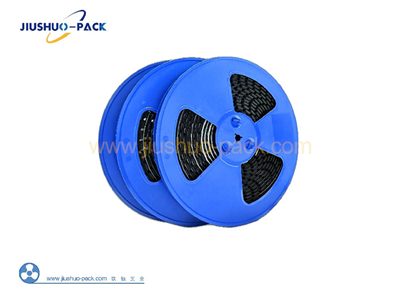
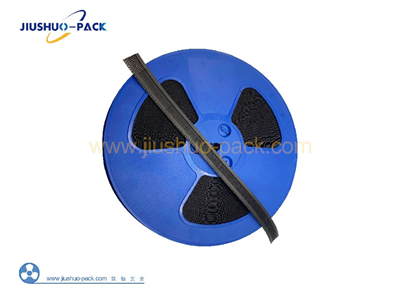
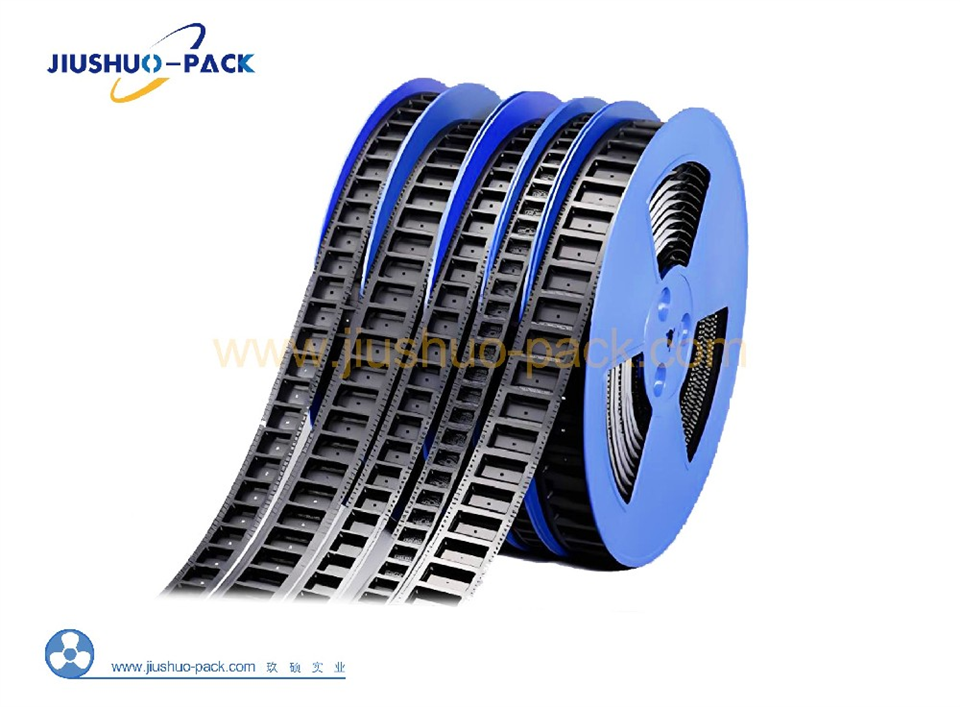
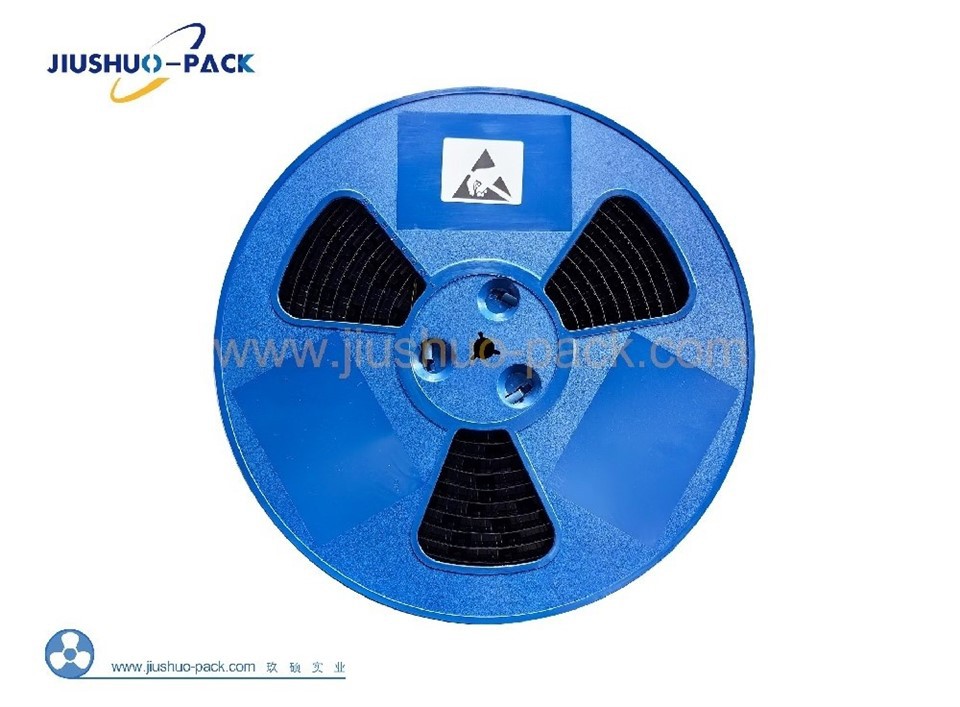
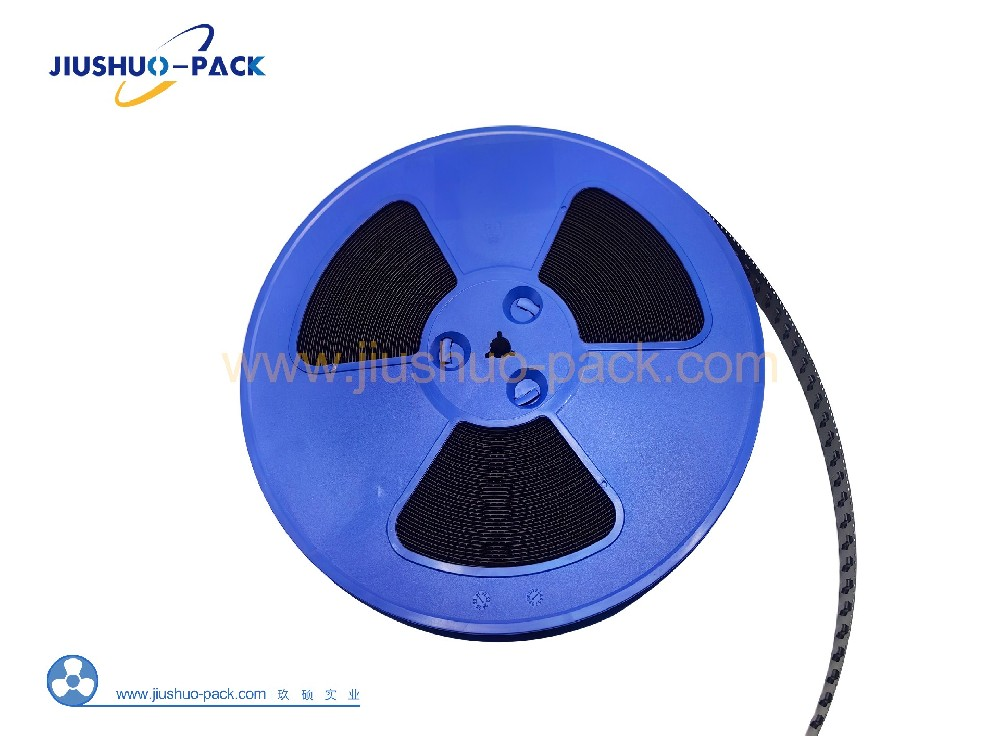
After sealing, the tape is wound onto plastic reels, creating a continuous packaging format suitable for automated SMT feeding systems.
This structure helps maintain component orientation and prevents components from shifting or falling out during handling and transportation.
Material Options
- Carrier tapes are typically produced from thermoplastic materials such as PS (Polystyrene), PC (Polycarbonate), PET, or ABS.
- These materials provide reliable forming characteristics and dimensional stability required for accurate pocket formation.
- Cover tape is commonly made from PET film combined with adhesive or heat-seal layers that allow the tape to seal the carrier tape pockets securely.
- The material combination helps ensure reliable sealing performance and controlled peel strength during SMT feeding.
Cover Tape Compatibility
Proper compatibility between carrier tape and cover tape is important for stable SMT production.
The cover tape must provide:
- Consistent sealing performance
- Controlled peel strength
- Smooth separation during automated feeding
Correct peel force helps ensure that components remain securely sealed during transportation while allowing the cover tape to be removed smoothly by SMT equipment during assembly.
Applications
This packaging format is widely used for SMD components used in electronics manufacturing.
Typical applications include:
- Integrated circuits (ICs)
- LEDs
- Resistors and capacitors
- Connectors
- Sensors
- Other miniature electronic components used in PCB assembly
Tape and reel packaging enables these components to be efficiently handled and automatically fed into SMT pick-and-place machines during production.
Manufacturing and Quality Control
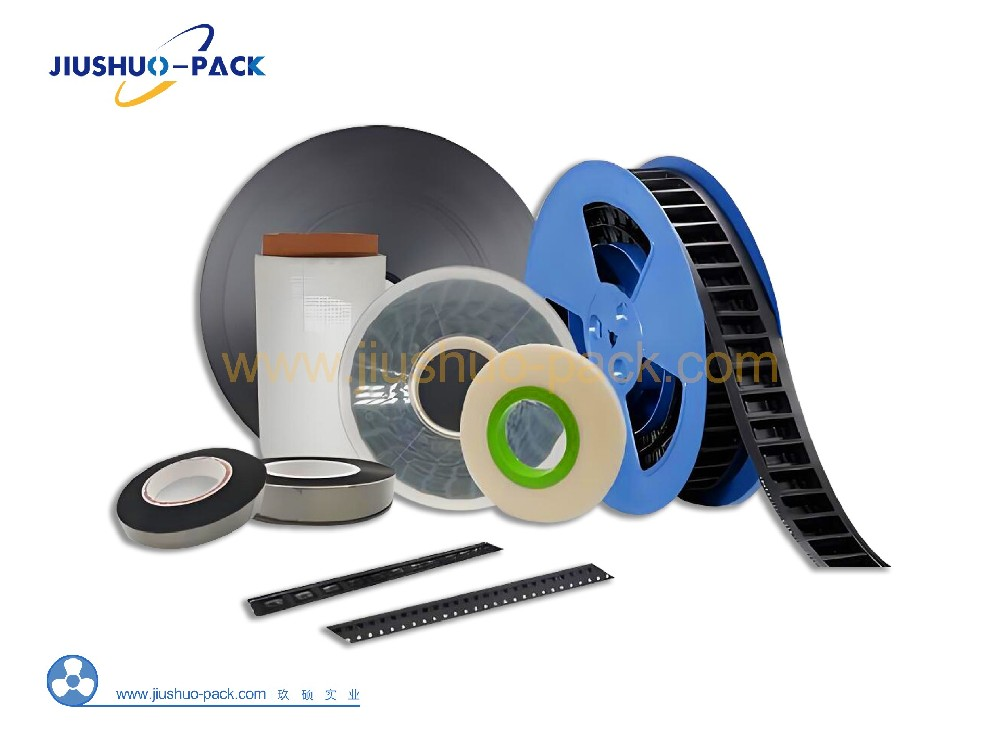
Carrier tape and cover tape used in tape and reel packaging require stable production processes and precise dimensional control.
Quality control procedures typically include:
- Raw material inspection
- Pocket dimension verification
- Cover tape peel strength testing
- Forming process monitoring
- Finished product inspection
Most carrier tape and cover tape products comply with RoHS environmental requirements and follow EIA-481 standards, ensuring compatibility with automated SMT packaging systems.
Specifications
|
Item |
Specification |
|
Carrier Tape Material |
PS / PC / PET / ABS |
| Cover Tape Material | PET |
| Tape Width |
8 mm – 120 mm |
| Pocket Depth | 1 mm – 40 mm |
| Cover Tape Width |
5.3 mm – 81.5 mm |
| Standard |
EIA-481 |
FAQ
Q: Why are carrier tape and cover tape used together?
A: Carrier tape holds the components in formed pockets, while cover tape seals the pockets to secure the components during packaging and transportation.
Q: What materials are used for carrier tape and cover tape?
A: Carrier tape is typically made from PS, PC, PET, or ABS, while cover tape is usually made from PET film with adhesive or heat-seal layers.
Q: Why is peel strength important for cover tape?
A: Controlled peel strength ensures that the cover tape securely seals the components during transportation but can be removed smoothly by SMT machines during automated feeding.
Q: Is SMD carrier tape and cover tape compatible with SMT machines?
A: Yes. Tape and reel packaging systems are designed according to EIA-481 standards, ensuring compatibility with automated SMT pick-and-place equipment.
Q: Can carrier tape and cover tape be customized?
A: Yes. Carrier tape pocket dimensions, tape width, and cover tape specifications can be customized according to the size and packaging requirements of different SMD components.
Hot Tags: smd carrier tape and cover tape, China smd carrier tape and cover tape manufacturers, suppliers, factory