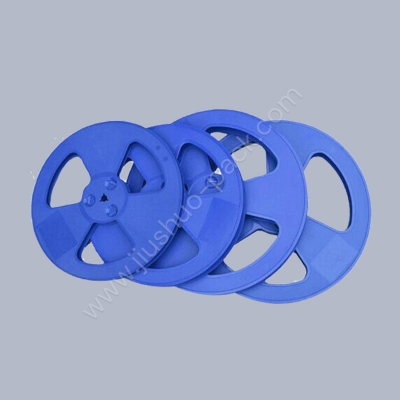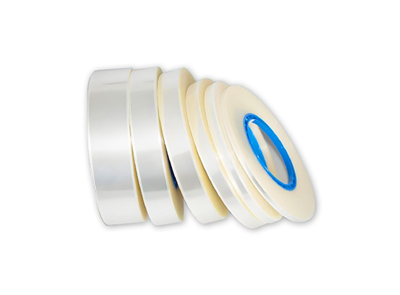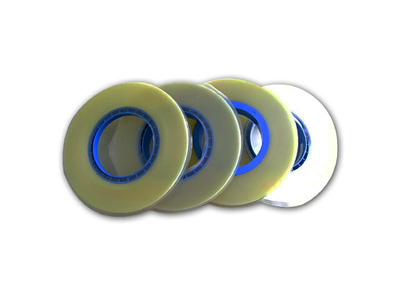

A carrier tape is a strip-like electronic packaging material whose core physical structure comprises pockets (cavities), sprocket holes, and a cover tape. The pockets are distributed at equal intervals along the length of the carrier tape and serve to hold and secure individual electronic components. The sprocket holes are located along the edges on both sides of the tape; they engage with the feeder gears of a surface mount machine (SMT) to facilitate precise, step-wise conveyance. A cover tape is sealed onto the surface of the carrier tape-typically via heat sealing or pressure-sensitive adhesion-to enclose the components within the pockets, thereby providing protection; some carrier tapes also feature a bottom sealing tape applied to their underside.
The dimensions of carrier tapes must comply with industry standards to ensure compatibility with automated assembly equipment. Common standardized widths include 8mm, 12mm, 16mm, 24mm, 32mm, 44mm, and others. The pitch (center-to-center spacing) of the sprocket holes typically measures 2mm, 4mm, or 8mm, and must be matched to the specific requirements of the SMT feeder being used. Industry standards-such as EIA-481, JIS C 0806, and IEC 60286-3-establish strict specifications regarding the carrier tape's width, pocket spacing, sprocket hole dimensions, and positional tolerances.
Based on their constituent materials, carrier tapes are primarily categorized into plastic carrier tapes and paper carrier tapes. Plastic carrier tapes commonly utilize materials such as polycarbonate (PC), polystyrene (PS), and ABS resin; these materials are characterized by high mechanical strength and excellent dimensional stability, and can be modified to possess conductive or anti-static properties. Paper carrier tapes are typically constructed from multiple layers of base paper; while offering excellent resilience and cushioning properties, they are subject to specific requirements regarding their mechanical strength, interlayer bonding strength, and conductive ion content.